
Site Tour with Test Users
Choose a test user to login and take a site tour.
Choose a test user to login and take a site tour.


Posted by Blustery David
Filed in Entertainment 1 view
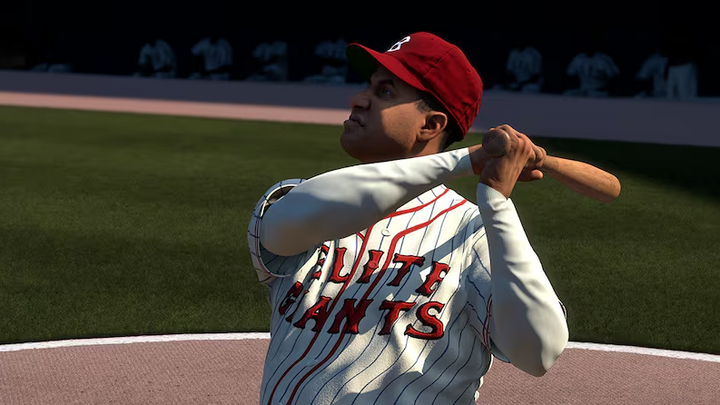
When you first drop into Diamond Dynasty, it is tempting to chase the biggest names right away, but that usually burns through MLB 26 Stubs faster than you'd think. A better first move is to slow down, open every pack sitting in your inventory, and see what you actually have. That one step changes a lot. You can sort out the cards you'll really use, list off the duplicates, and keep the pieces that might matter for collections later. A couple of diamond pulls can feel exciting, sure, but if they do not fit your lineup, they are often just sitting there as trade value. Early on, flexibility matters more than trying to impress people with a shiny roster.
Clear the Easy Stuff First.
The best early progress usually comes from the content that asks for the least effort and gives back the most. Cornerstone rewards and short Player Programs are the obvious place to start, since they can turn into useful upgrades without eating up your whole evening. A lot of players skip straight to ranked games and then wonder why their team feels thin. It makes more sense to pick up free cards first, especially when those cards can slot right into your lineup and save you stubs for later. If a program gives you a solid bat or a reliable arm, take it. You do not need to make every decision dramatic. Just keep moving and grab the easy wins.
Grind in Modes That Do Not Punish You.
For a new player, Mini Seasons is hard to beat. It gives you room to learn, and the rewards come in at a pace that actually feels worth your time. You are not forced into one perfect lineup, and you can still make progress even if your team is not loaded yet. Diamond Quest is a different story. The payoff can be better, but the mode can also expose mistakes fast, especially if your roster is still raw. That does not mean you should avoid it forever. It just means you should get comfortable first, then move in when you can handle the pressure. World Baseball Classic content is worth a look too, because the Moments, Showdown, and Mini Seasons objectives can overlap. When that happens, every game pulls double duty, and that is the kind of efficiency beginners need.
Spend Like Someone Who Plans to Keep Playing.
One of the quickest ways to stall your progress is wasting stubs on random packs. Most players do it at least once, then regret it. The smarter move is to save your currency for cards you actually need. If a position is weak, fix that spot. If your bullpen is shaky, patch it up before anything else. That approach feels slower at first, but it pays off because your roster improves in the places that matter most. It also helps to avoid rushing collections. Prices usually calm down after launch week, and cards that look expensive now can become manageable later. You can still collect cheap pieces as you go, just do not force expensive purchases too early. A patient approach keeps your options open, which is half the battle in Diamond Dynasty.
Pitching Has to Come Before Flash.
People love to talk about home runs, but good pitching wins a lot of early games. If your rotation keeps getting hit around, everything else starts to feel harder. A couple of dependable starters and at least one bullpen arm you trust can make your whole experience smoother. You will finish more games, give up fewer cheap runs, and probably enjoy the grind a lot more. New mechanics can help too, especially if you learn when to use them instead of treating them like a crutch. The Bear Down Pitching system is the kind of tool that works best in tight spots, so save it for moments that actually matter. Once your pitching is steady, then you can start spending more attention on bats, collections, and the nicer extras that make a roster feel finished.
Final Thoughts.
If you want a clean path through Diamond Dynasty, keep it simple. Open your packs, strip out the duplicates, and build around the free programs that give you real value. Stay in modes like Mini Seasons until your team can handle more pressure, and use your stubs with a little patience instead of throwing them at packs or early hype cards. That's how you avoid the usual beginner mistakes and keep your roster growing in a way that actually makes sense. And if you decide to buy MLB The Show 26 Stubs, it still helps to spend them with a plan, because the smartest teams are usually built by players who know when to save, when to sell, and when to wait.