
Site Tour with Test Users
Choose a test user to login and take a site tour.
Posted by Pella Force Jul 5
Filed in Business 7 views
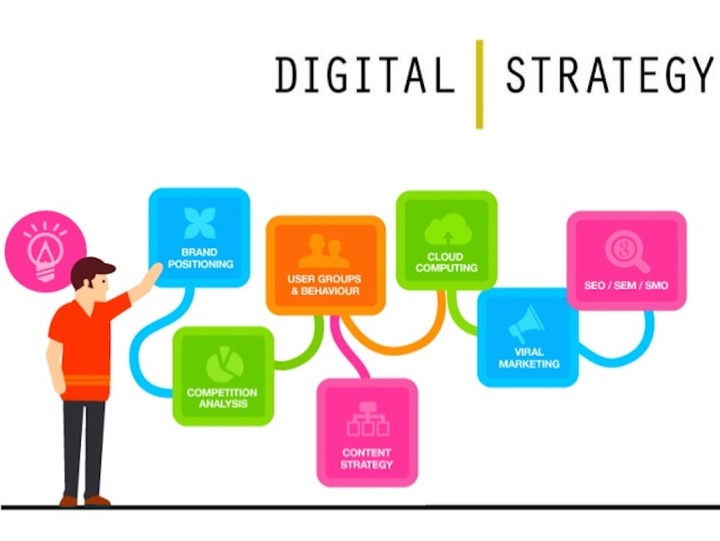
A well-defined Business digital strategy planning process enables organizations to align technology, marketing, operations, and customer experience with long-term business goals. As digital transformation continues to reshape industries, businesses must develop structured strategies that improve efficiency, strengthen competitiveness, and support sustainable growth. Through Digital Marketing Assessment and independent digital oversight, organizations can identify opportunities, evaluate performance, and make informed decisions that contribute to long-term success.
Digital technologies have transformed the way businesses operate, communicate, and compete. Customers expect seamless digital experiences, employees rely on connected technologies, and organizations increasingly use data to guide strategic decisions. In this rapidly evolving environment, businesses need more than individual digital initiatives—they require a comprehensive strategy that aligns every digital activity with organizational objectives.
Business digital strategy planning is the process of developing a structured roadmap that integrates technology, marketing, customer engagement, operational efficiency, and business innovation. Rather than focusing only on adopting new technologies, it emphasizes creating sustainable value through coordinated digital initiatives.
A successful digital strategy considers every aspect of the organization, from customer experience and internal processes to digital infrastructure and long-term business goals. It helps organizations respond to changing market conditions while maintaining flexibility for future growth.
In addition to strategic planning, a Digital Marketing Assessment enables businesses to evaluate the effectiveness of their marketing activities, identify strengths and weaknesses, and optimize digital campaigns for improved performance. Similarly, independent digital oversight provides objective evaluation of digital initiatives, helping organizations monitor progress, reduce risks, and ensure strategic alignment.
As digital transformation continues to accelerate across industries, businesses that invest in comprehensive digital strategy planning will be better prepared to improve operational efficiency, strengthen customer relationships, and achieve sustainable growth.
Business digital strategy planning is a structured process that aligns digital technologies with organizational objectives.
It involves creating a long-term roadmap that supports:
Rather than implementing isolated digital projects, organizations develop coordinated strategies that support overall business performance.
Modern businesses operate in increasingly competitive digital environments.
An effective strategy helps organizations:
Strategic planning enables businesses to respond proactively to changing technologies and customer expectations.
Every digital initiative should contribute directly to broader organizational objectives.
Examples include:
Aligning digital investments with business priorities helps maximize long-term value.
Developing an effective strategy requires careful consideration of multiple interconnected areas.
A successful strategy begins with a clear understanding of organizational objectives.
Businesses should define:
A clearly defined vision guides every strategic decision.
Customer expectations continue to evolve alongside digital technologies.
Organizations should evaluate:
Improving customer experience strengthens loyalty while supporting business growth.
Technology forms the foundation of every digital strategy.
Important considerations include:
Reliable infrastructure supports operational efficiency and future scalability.
Data enables organizations to make informed strategic decisions.
Businesses should monitor:
Using data effectively improves decision-making while supporting continuous improvement.
Marketing performance should be evaluated regularly to ensure strategic effectiveness.
A Digital Marketing Assessment typically examines:
Regular assessments help organizations identify opportunities for optimization while improving return on investment.
Objective evaluation supports better strategic decision-making.
Independent digital oversight helps organizations by providing:
Independent reviews provide valuable insights while supporting accountability across digital initiatives.
A structured roadmap helps businesses implement digital initiatives successfully.
Typical stages include:
A phased approach reduces complexity while improving implementation success.
Successful digital strategies focus on delivering value to customers.
Businesses should prioritize:
Customer-centered strategies strengthen satisfaction while encouraging long-term loyalty.
Organizations should continuously evaluate whether digital initiatives support business objectives.
Important performance indicators include:
Regular measurement helps organizations refine strategies while improving long-term results.
Developing a digital strategy is only the beginning. Successful implementation requires careful planning, collaboration, and continuous monitoring to ensure that digital initiatives support business objectives.
Organizations should focus on:
A structured implementation process increases the likelihood of achieving sustainable business outcomes.
Technology enables organizations to improve efficiency, automate processes, and deliver better customer experiences.
Common technologies supporting digital strategy include:
Selecting technologies that align with business objectives helps organizations maximize long-term value.
Digital transformation affects every area of a business, making collaboration essential.
Departments that should work together include:
Cross-functional collaboration ensures digital initiatives remain aligned with organizational priorities while reducing operational inefficiencies.
Every digital initiative involves potential risks that require proactive management.
Organizations should monitor:
Developing risk management plans helps businesses respond effectively while protecting long-term investments.
Digital strategy should evolve alongside technology and customer behavior.
Organizations should regularly:
Continuous improvement enables businesses to remain competitive while adapting to changing market conditions.
Organizations frequently encounter challenges during digital transformation.
Common issues include:
Recognizing these challenges early allows organizations to develop more effective implementation plans.
Businesses often reduce the effectiveness of their digital strategies by making avoidable mistakes.
Examples include:
Avoiding these mistakes supports more sustainable digital transformation.
Successful organizations follow structured planning processes that emphasize continuous evaluation.
Recommended best practices include:
These practices help organizations maintain agility while supporting sustainable growth.
Digital strategy should be evaluated using measurable business outcomes.
Useful performance indicators include:
Regular performance analysis enables businesses to refine digital initiatives while maximizing long-term value.
Business digital strategy continues to evolve alongside emerging technologies and changing customer expectations.
Important trends include:
Organizations that embrace innovation while maintaining strategic discipline will be better positioned to remain competitive in an increasingly digital economy.
Business digital strategy planning provides organizations with a structured framework for aligning technology, customer experience, marketing, and operational processes with long-term business objectives. Rather than implementing isolated digital initiatives, businesses benefit from coordinated strategies that improve efficiency, strengthen competitiveness, and support sustainable growth.
Conducting a Digital Marketing Assessment allows organizations to evaluate the effectiveness of their marketing activities, identify optimization opportunities, and improve campaign performance through data-driven insights. Likewise, independent digital oversight provides objective evaluation of digital initiatives, helping businesses monitor progress, manage risks, and ensure that digital investments continue to support organizational priorities.
As technology continues to evolve, organizations that regularly review their strategies, embrace innovation, and focus on continuous improvement will be better prepared to respond to market changes, strengthen customer relationships, and achieve lasting business success.


