
Site Tour with Test Users
Choose a test user to login and take a site tour.
Choose a test user to login and take a site tour.


Posted by Ayesha Waleed
Filed in Technology 386 views
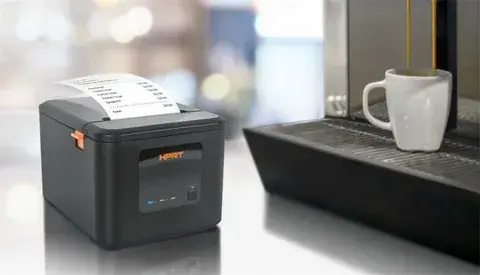
In today’s fast-paced retail and service environments, a receipt printer is more than just a basic piece of hardware—it’s a critical tool that enhances customer experience, streamlines operations, and ensures accurate transaction records. Whether you run a small shop, restaurant, or a large retail chain, choosing the right receipt printer can significantly impact efficiency and professionalism.
A receipt printer plays a vital role in completing the customer journey. After a purchase is made, the printed receipt serves as proof of transaction, a record for returns, and even a branding opportunity. Businesses that overlook the importance of reliable printing systems often face delays, errors, and dissatisfied customers.
Modern receipt printers are designed to be fast, durable, and compatible with various point-of-sale (POS) systems. They help reduce human error, improve checkout speed, and create a seamless payment process. In competitive markets, even small improvements in service can lead to higher customer retention.
Understanding the different types of receipt printers can help you make an informed decision:
The most common option for contemporary enterprises is thermal printers. Instead of using dye and toner, they print on special paper using heat. These printers are renowned for operating quietly, quickly, and with little upkeep. However, receipts may fade over time if exposed to heat or sunlight.
Impact printers use a ribbon to print receipts, making them ideal for environments where duplicate copies are needed, such as kitchens or billing counters. While they are more durable in harsh conditions, they tend to be noisier and slower compared to thermal models.
Although less common, inkjet printers are sometimes used for high-quality printing, especially when businesses want to include logos or promotional content. They need more upkeep and are typically more costly to run.
When selecting a receipt printer, several factors should be taken into account:
Printing Speed
Fast printing ensures shorter wait times for customers. High-speed printers are especially important during peak business hours.
Connectivity Options
Modern receipt printers offer multiple connectivity options such as USB, Bluetooth, Ethernet, and Wi-Fi. Wireless connectivity is particularly useful for mobile businesses and flexible POS setups.
Compatibility
Ensure the printer is compatible with your POS system and software. Seamless integration prevents technical issues and enhances workflow efficiency.
Paper Width and Size
Different businesses require different receipt formats. Standard widths include 58mm and 80mm, with wider receipts allowing more information and branding elements.
Durability
A reliable receipt printer should withstand continuous use. Look for models with high print head life and cutter durability ratings.
When setting up a complete POS system alongside a receipt printer, many businesses also consider a barcode scanner price in Pakistan to manage inventory and speed up checkout processes.
Investing in a high-quality receipt printer offers several advantages:
Improved Customer Experience: Quick and clear receipts enhance satisfaction.
Professional Branding: Custom logos and messages can be printed on receipts.
Operational Efficiency: Faster transactions reduce queues and improve service flow.
Accurate Record Keeping: Printed receipts help maintain transparency and accountability.
Receipt printers are used across a wide range of industries, each with specific needs:
Retail Stores
Retail businesses rely on receipt printers for quick billing and inventory tracking. A reliable printer ensures smooth checkout operations.
Restaurants and Cafes
In the food industry, receipt printers are often used in both front-of-house and kitchen environments. Speed and clarity are essential to avoid order confusion.
Healthcare
Clinics and pharmacies use receipt printers for billing and prescription records, where accuracy is critical.
Hospitality
Hotels and service providers use receipts for billing, guest services, and transaction documentation.
To get the most out of your receipt printer, regular maintenance is essential:
Clean the print head periodically to prevent buildup.
Use high-quality paper to avoid damage and fading issues.
Keep the printer in a dust-free environment.
Update firmware and drivers for optimal performance.
Maintaining the printer properly guarantees constant print quality and increases its longevity.
Receipt printers are only one example of how technology is always changing.Digital receipts are becoming more common, allowing businesses to send receipts via email or SMS. However, physical receipts remain important for many customers and regulatory requirements.
Cloud-based POS systems are also influencing receipt printer technology, enabling remote management and real-time updates. Additionally, eco-friendly printing solutions are gaining popularity, with businesses opting for BPA-free paper and energy-efficient devices.
A receipt printer is essential for any business that handles transactions.It enhances client satisfaction, accuracy, and efficiency.By understanding its types and features, businesses can choose the right solution for long-term growth.Explore a guide and discover the latest options here.Investing in the right receipt printer isn’t just about printing receipts—it’s about delivering a smooth and professional experience.